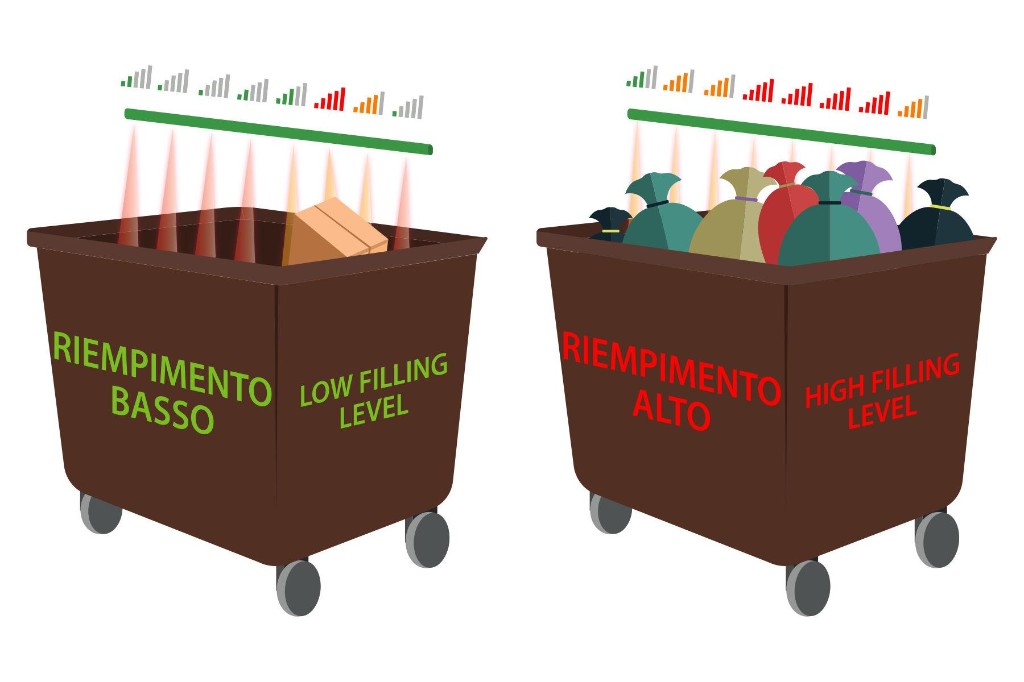
Fill level
See empty, partial, or full — so dispatch stops guessing from last week’s calendar.
B-sensing
A discreet lid sensor for municipalities and waste operators — fill level, contamination signals, and heat alerts so trucks roll when it matters.
For cities & operators
Collection is still mostly scheduled by habit. B-sensing turns each bin into a quiet reporter so routes follow reality.
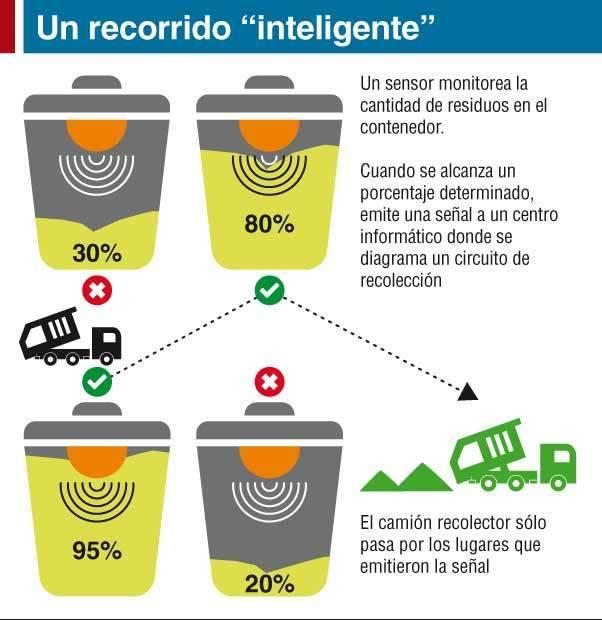
Send trucks to bins that are actually full. Skip the half-empty stops that burn fuel, time, and budget.
When a paper bin suddenly looks like mixed waste — or a battery shows up where it should not — ops get a signal before the load contaminates a whole route.
Unusual heat or fire-risk patterns can be flagged so teams intervene before a lid becomes an incident.
Capabilities
Focused on garbage sensing today — the same platform outlook covers room sensing later. For now, every feature below earns its keep on the route.
See empty, partial, or full — so dispatch stops guessing from last week’s calendar.
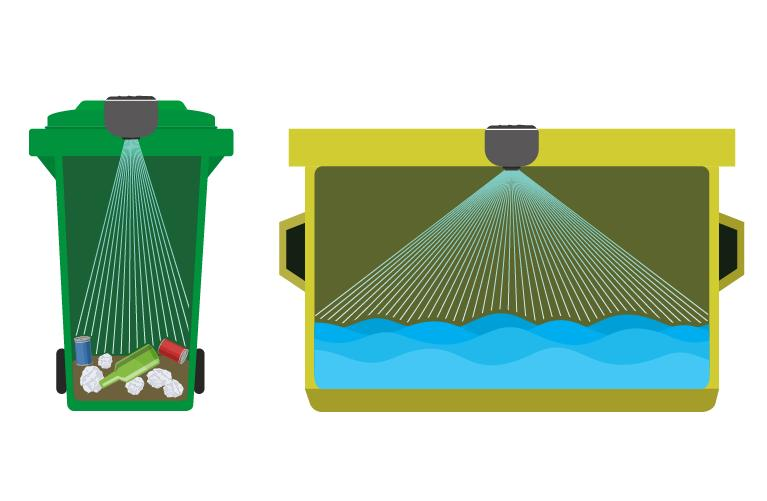
Paper-only should not hide a watermelon or a battery. Flag anomalies against what that bin is meant for.
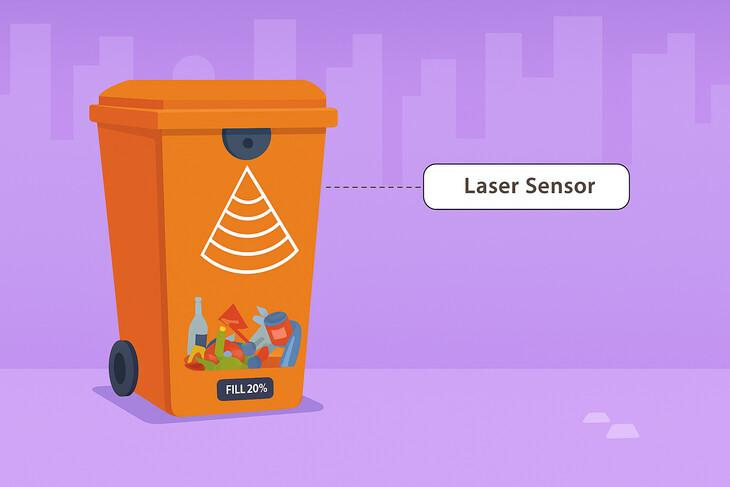
Spot unusual heat signatures that can point to fire risk or dangerous loads before they escalate.
How it works
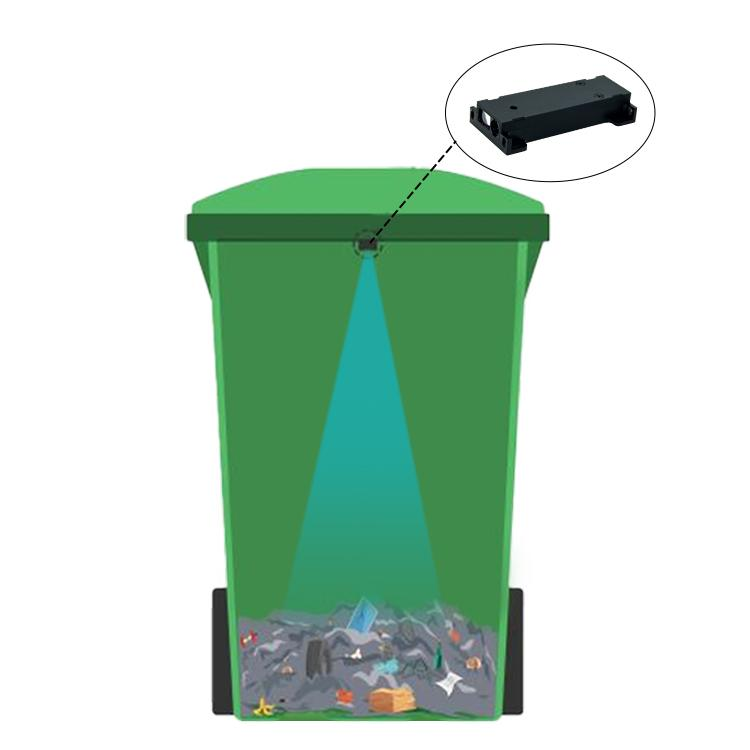
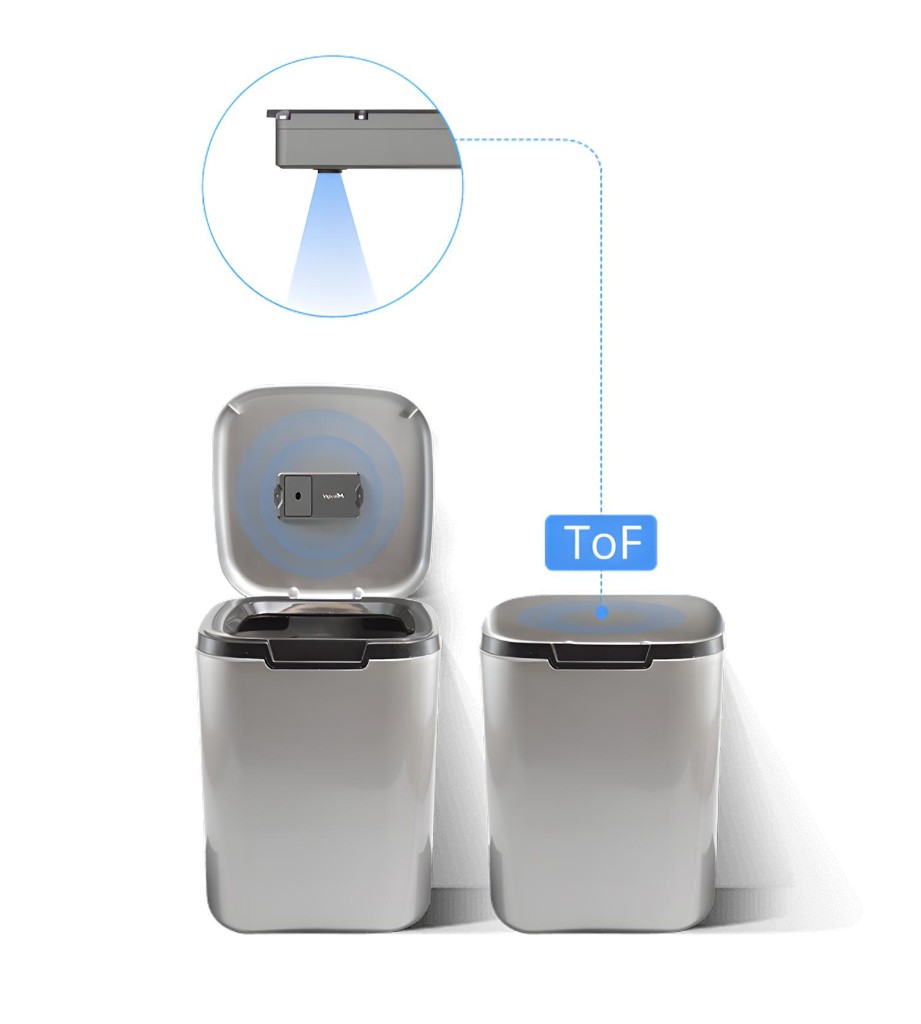
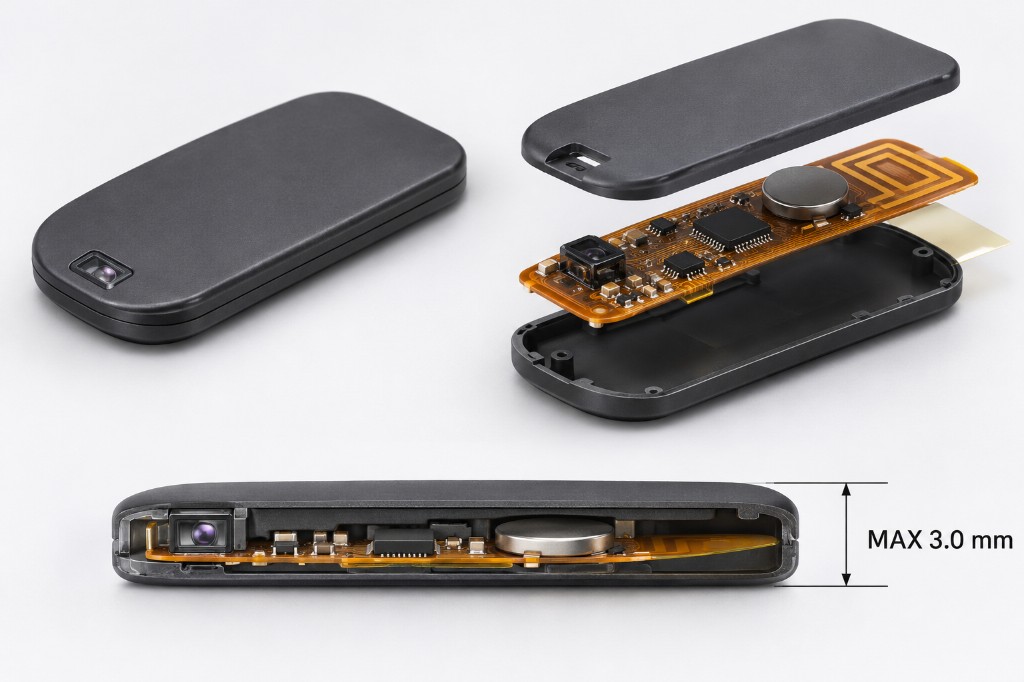
A slim wireless unit sits inside the bin lid. Crews keep the same bins — no bulky boxes bolted to the street.
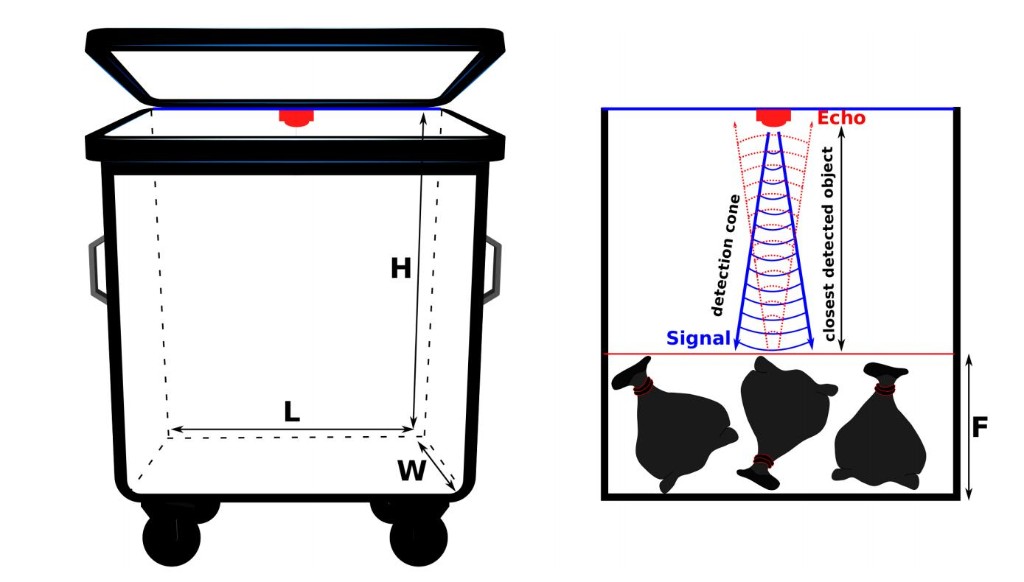
Distance mapping reads how full the bin is and whether the load looks uneven or out of place for that stream.
Status travels over a long-range wireless network so planners see which stops deserve a truck today.
Smart routes
When a container crosses your fill threshold — or raises a contamination or heat flag — it joins the day’s circuit. Quiet bins stay quiet. That is fewer kilometres, lower emissions, and crews spent where citizens notice the difference.
Discreet by design
Ultra-low profile hardware means citizens still see a normal bin — while operations see live status. No kiosk on the street corner. No fragile add-ons hanging off the rim.
B-sensing
Tell us about your containers, streams, and routes. We will help scope a focused garbage-sensing rollout — and keep the conversation on outcomes, not chip datasheets.